 Lute — Robotics Engineer
Lute builds frontier physical AI. I work on the side that gets it onto real robots: hardware integration, navigation and deployment in the field.
Perception and navigation for mobile robots.
Robotics Engineer at Lute · MSc, Poznań University of Technology
Robotics engineer at Lute, working on hardware, navigation and real-world deployment for frontier physical AI.
Lute — Robotics EngineerLute builds frontier physical AI. I work on the side that gets it onto real robots: hardware integration, navigation and deployment in the field.
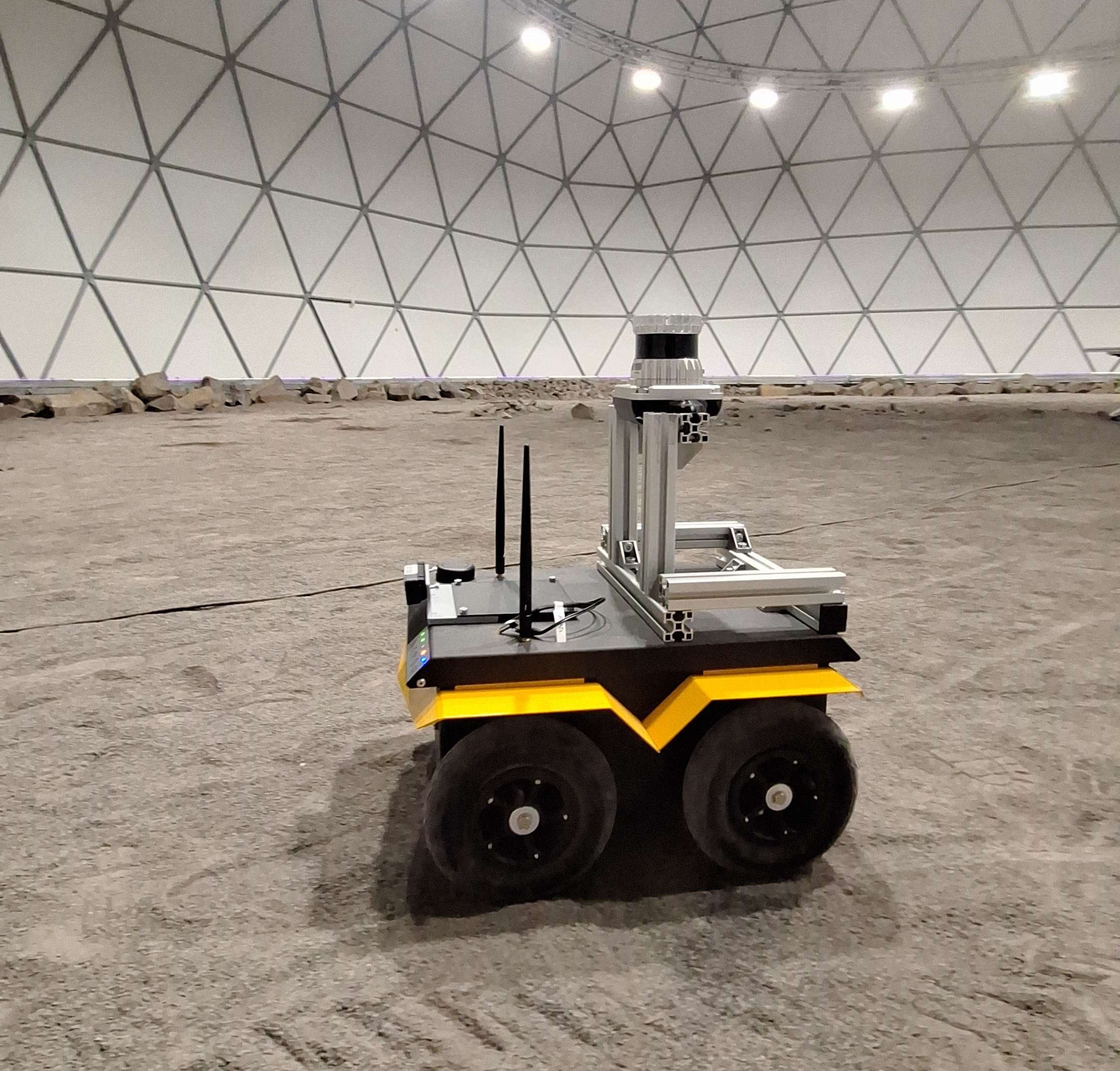
Used the open-source elevation_mapping stack to build a Gridmap-based traversability estimation pipeline for a Clearpath Jackal robot, configured to run on its onboard computer: LiDAR and TF setup, point cloud filtering, and the traversability kernel retuned for analog lunar surfaces. Evaluated in field tests at the OTRK Kąkolewo space robotics facility.
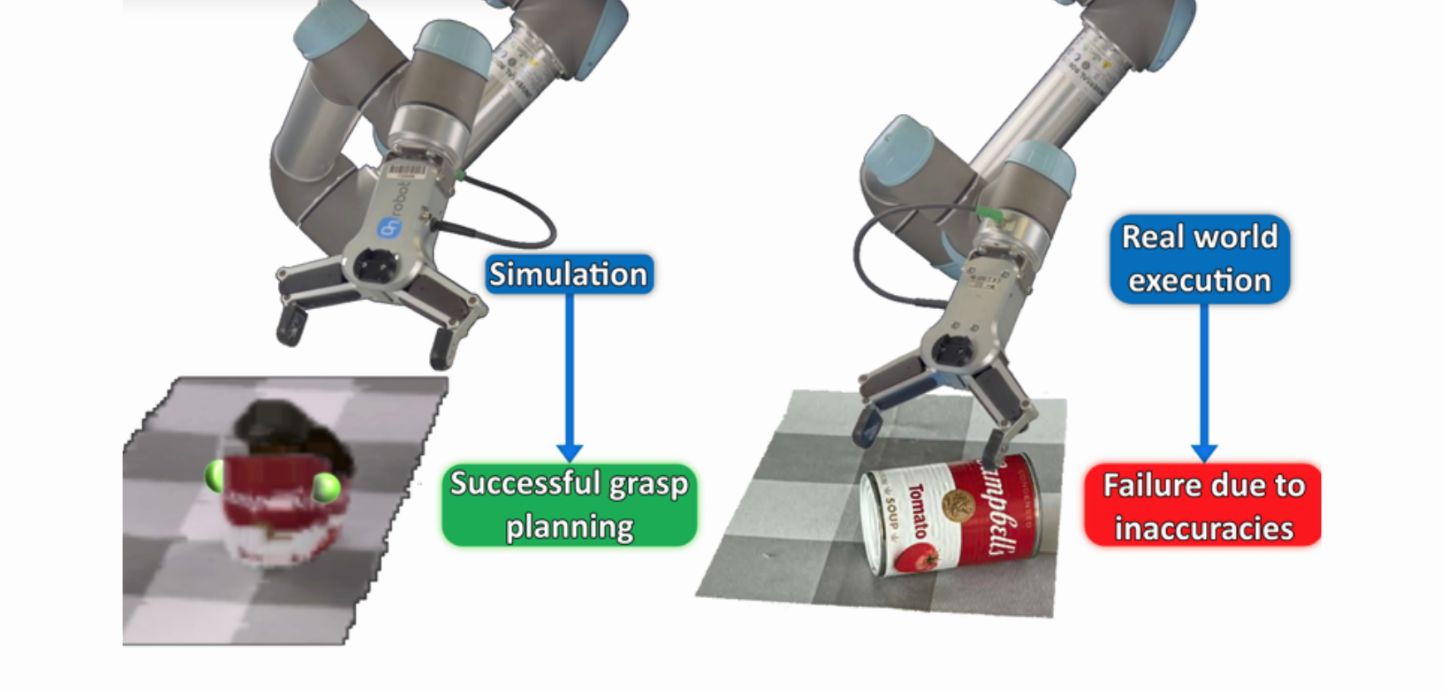
Evaluated neural rendering methods (NeRF, Gaussian Splatting) for robotic perception and built an automated pipeline to benchmark them. The work became the PP RAI 2026 paper listed below.
Designed and assembled industrial control cabinets from electrical documentation and integrated a computer vision system for automated quality control on the production line.
 European Student Robotics Association (ESRA) — Partnerships Officer, Executive Team
Managing partnerships and outreach, connecting student robotics clubs across Europe and supporting cross-club initiatives.
 KN CybAiR Robotics Club — Board Member
Managed projects and teams inside the club and represented it externally. Co-organized the Warsaw Robotics Hackathon with GenR and led the club's European outreach through ESRA.
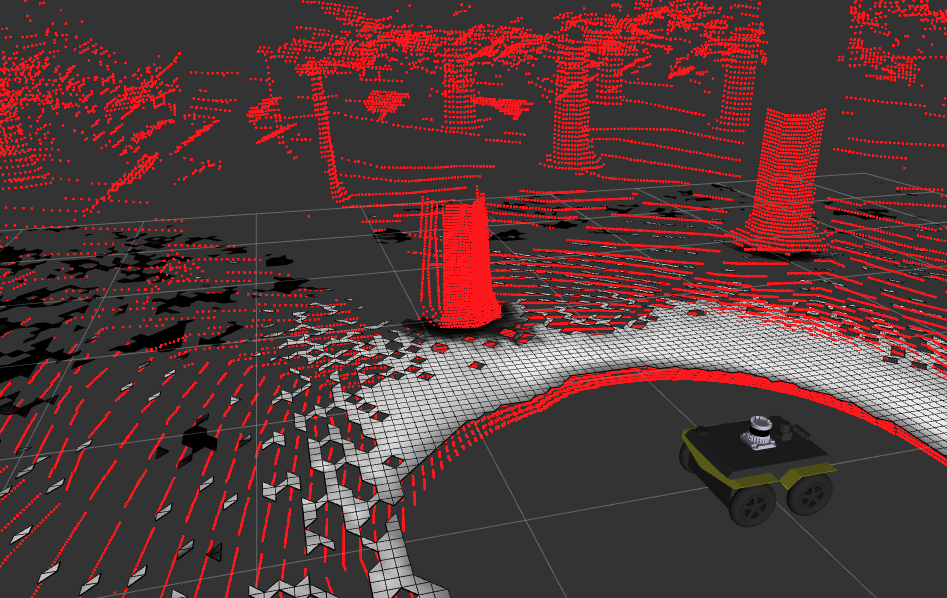
Estimating traversability cost for mobile robots from partially occluded LiDAR point clouds — reasoning about terrain the sensor can only partly see.
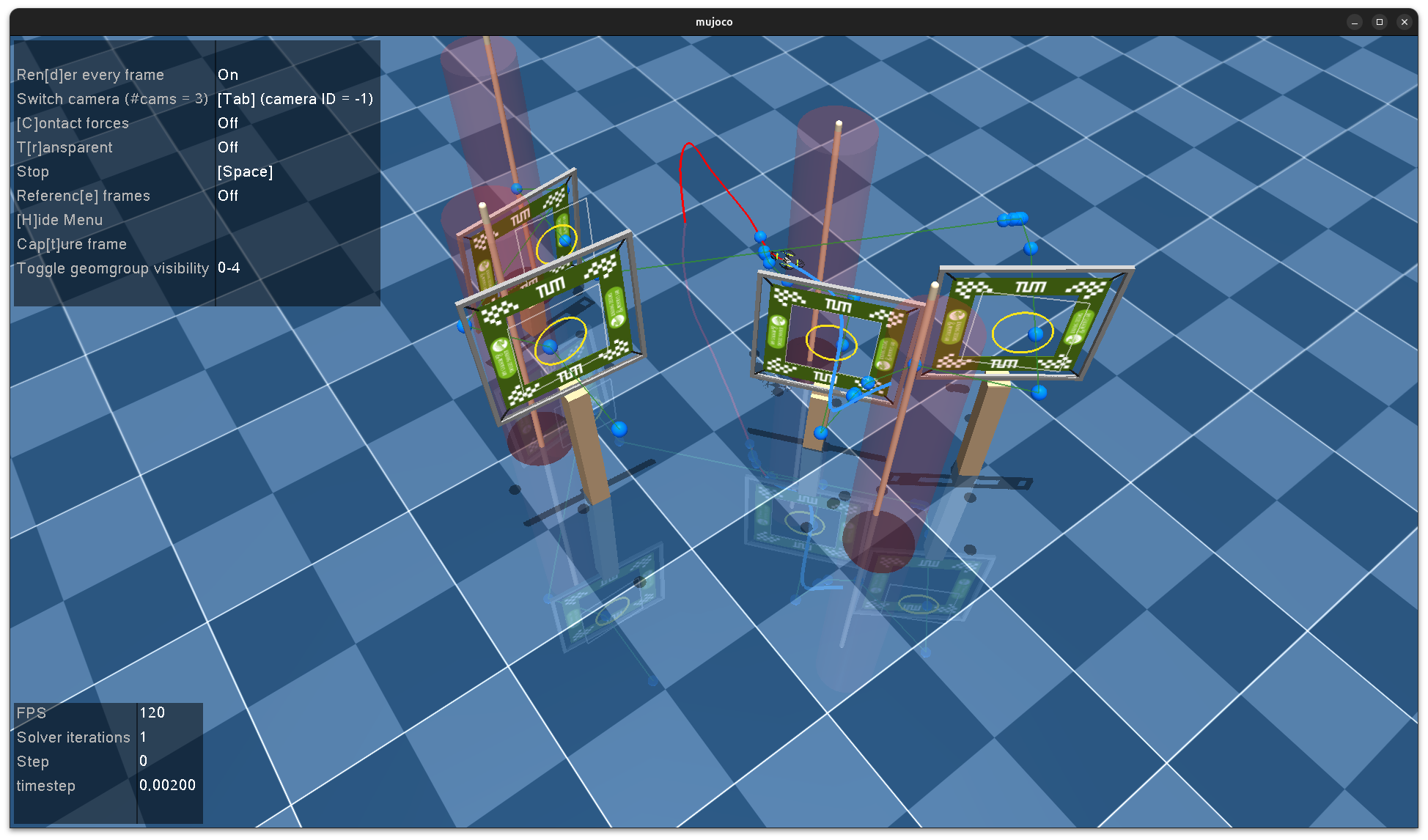
Model Predictive Control for flying a racing drone through a randomized sequence of gates as fast as possible. Built end to end in 48 hours.
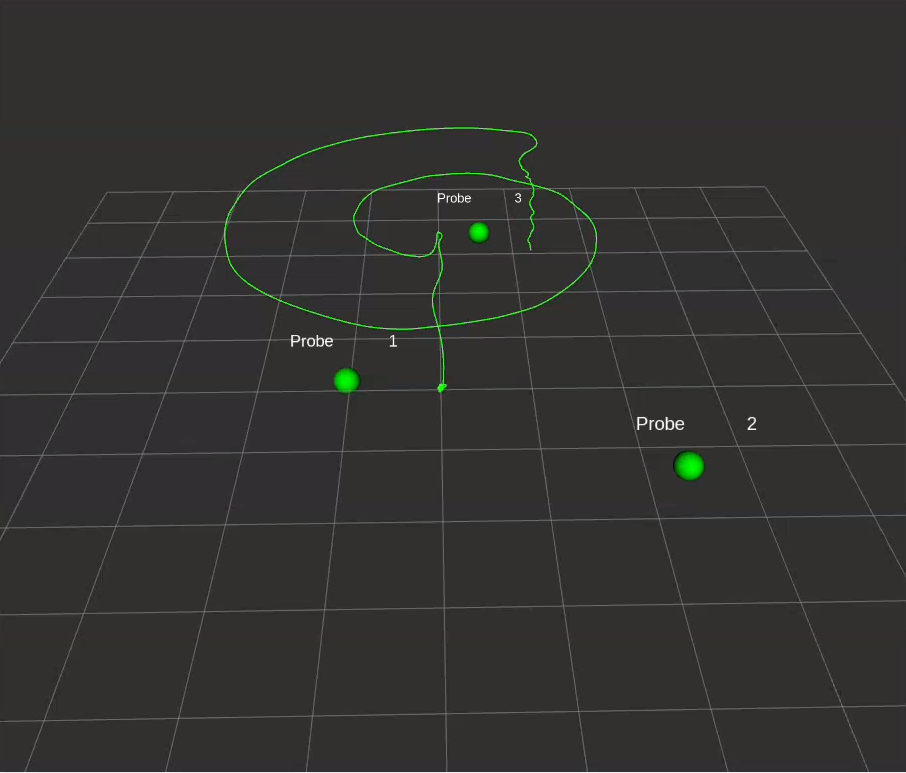
PX4 drone that searches an area for probes, detects them and stores their world positions, then lands on an ArUco tag. Built against the ERC 2026 drone challenge rules. Full simulation stack in PX4 SITL and Gazebo, with ROS2 nodes for detection (ArUco + YOLO) and control, all Dockerized. Demo video in the repo.
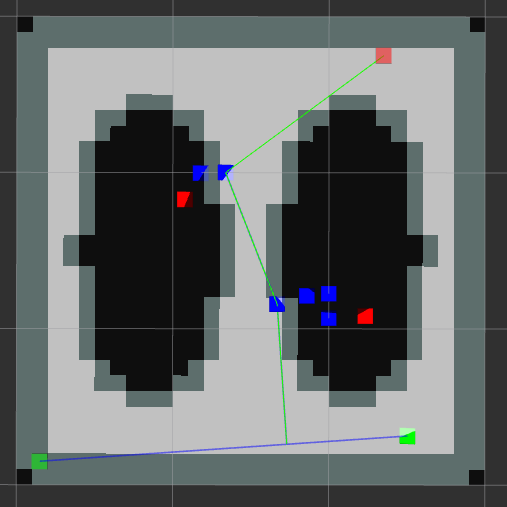
RRT path planning on occupancy maps with gradient-based sampling guided by a neural network. ROS2, TensorFlow, Python.
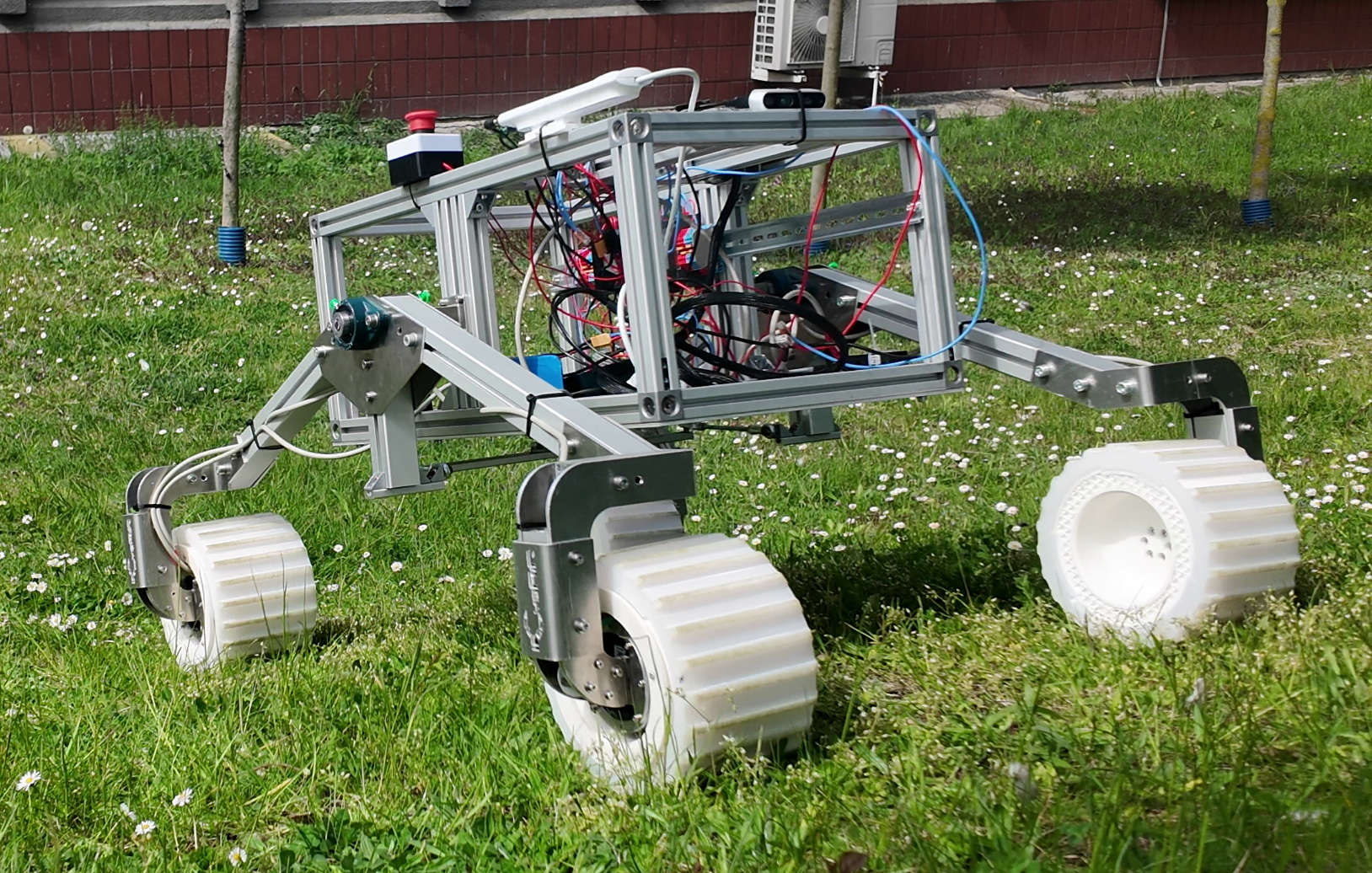
Student research group project: an autonomous platform for soil quality testing and sample collection. I was responsible for the power and electrical integration systems.
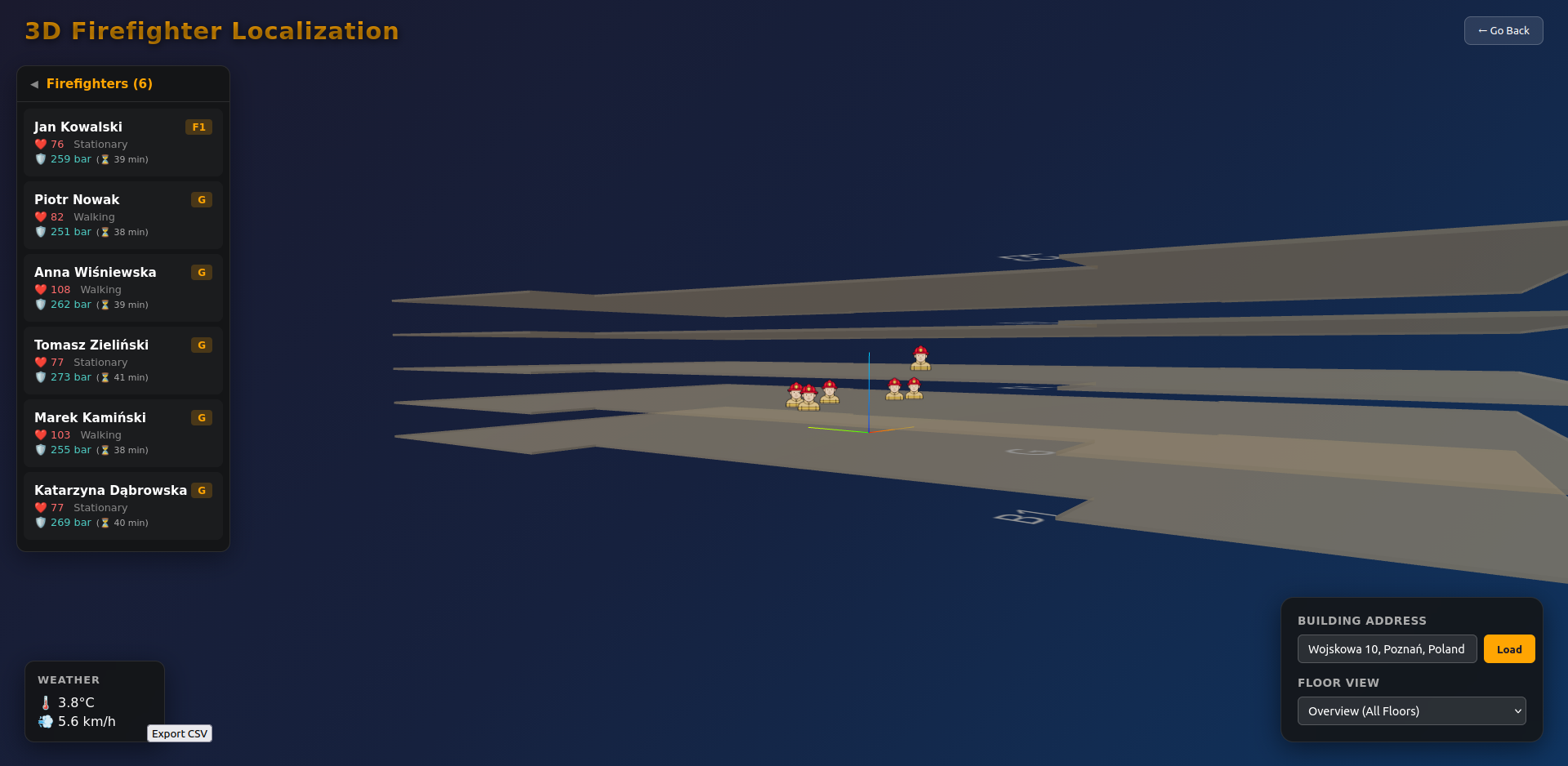
Team project: a wearable "digital dog tag" for firefighters combining indoor 3D localization (floor-level, GPS-denied environments), vital-signs monitoring and critical alerts on a commander's interface. Wearable modules linked over LoRa to a GPS-RTK base station.
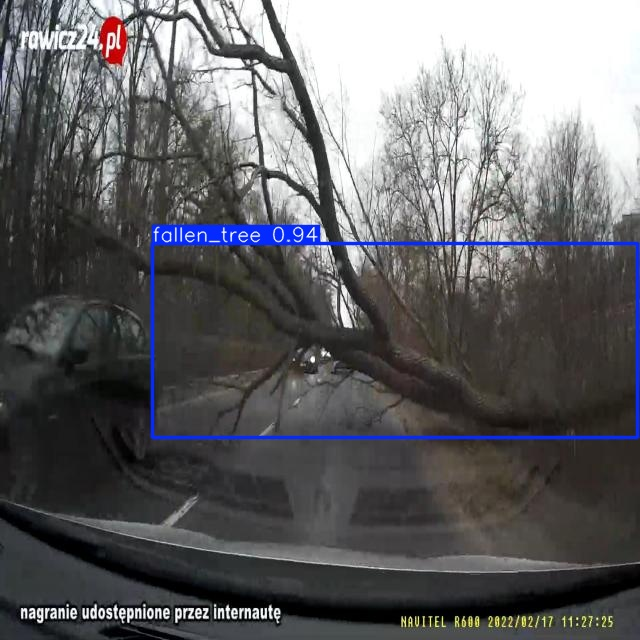
Trained a YOLOv8 model on custom fallen-tree data to detect road-blocking trees from dashcam footage in real time. Presented at the National Electronics Conference, Darłowo 2025, and published in Przegląd Elektrotechniczny (above).
Hackathons:
PythonC++ROS2DockerCUDA LinuxGitKUKA (KRL)ABB (RAPID)PCB design
Happy to talk about perception, autonomy and mobile robots.